A morning with a lot happening backstage
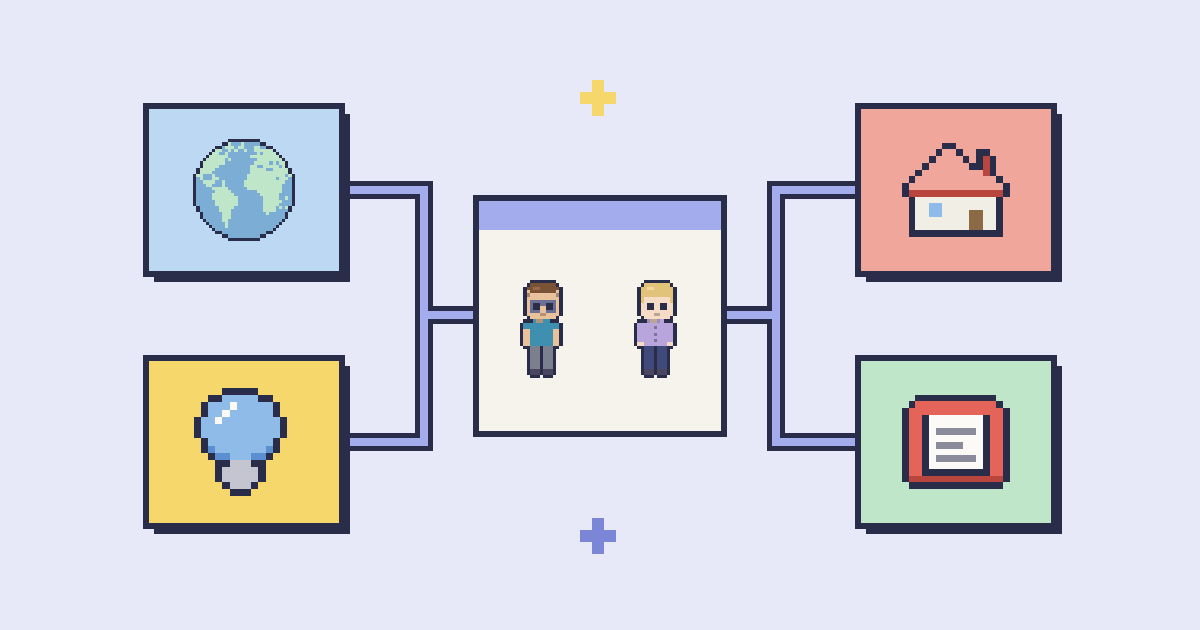
Picture an invented morning: a student fills a bottle, charges a phone, and checks where a class will meet. The story takes one sentence. Behind it sit a water supply, an electricity supply, a device, and a connection. Each ordinary action has prerequisites.
This is one way to think about opportunity without reducing it to motivation. Before asking what somebody chooses, ask what needs to be available for that choice to work. A deadline is the same time on two calendars, but the practical steps needed to meet it may differ.
Water: the definition changes the headline
WHO and UNICEF estimated that 2.1 billion people lacked safely managed drinking water in 2024. The figure comes from their 2025 update. It does not mean that all of those people had no water source. Source: WHO/UNICEF household water update.
Safely managed means an improved source is on the premises, available when needed, and free from contamination. Basic service is a different category: an improved source reached within a round trip of 30 minutes, including collection, without meeting all safely managed criteria. Source: WHO service-level definitions.
In our imaginary morning, a bottle already filled at home and a bottle requiring a collection trip are the same object. The time budget around them is different. That distinction is easy to miss if a story begins only when the student arrives at class.
Electricity: notice the year behind the switch
The 2026 Tracking SDG 7 report, summarised by the World Bank, puts the population without electricity access at about 655 million in 2024. The global access rate was approximately 92%. These are dated access figures, rather than a count taken today. Source: World Bank's June 2026 report announcement.
A count of connections also cannot describe every detail of an evening. For our fictional student, we would still want to know whether the lamp stays on, whether charging is affordable, and whether someone else needs the only available socket. Those are questions to investigate, not answers supplied by a global percentage.
Internet: being online is another separate measure
ITU estimated that 2.2 billion people remained offline in 2025, while roughly 6 billion used the internet. Its report also distinguishes connectivity from service quality and affordability. These estimates describe internet use, not electricity access or a household's water service. Source: ITU, Facts and Figures 2025 announcement.
Do not add the three headline populations together. People can appear in more than one group, and the internet estimate covers a different year. The figures are three views of access, not three separate crowds.
Draw the background before judging the choice
In a pixel scene, a tap, a lamp, and a phone might occupy only a handful of squares. In a fictional life, try giving each one a sentence: where does it come from, when does it work, and what does using it require?
That small storytelling exercise fits the curiosity behind 1 in 8 Billion. It is not a claim about the game's underlying calculations. It is a reminder that a person's day includes both decisions and the conditions that make those decisions possible.
FOLLOW YOUR CURIOSITY
Sources & further reading
- WHO and UNICEF: Household drinking water update ↗
Published 26 August 2025, covering estimates through 2024. Supports 2.1 billion without safely managed drinking water.
- WHO: WASH monitoring and service-level definitions ↗
Used for the distinction between basic and safely managed drinking-water services, not for its older coverage estimates.
- World Bank: Tracking SDG 7, 2026 report announcement ↗
Published 24 June 2026. Reports approximately 655 million people without electricity and 92% global access in 2024.
- ITU: Facts and Figures 2025 announcement ↗
Published 17 November 2025. Reports estimated internet use in 2025 and distinguishes access from quality and affordability.
Sources and game details checked on 27 October 2026. Suggest a correction.